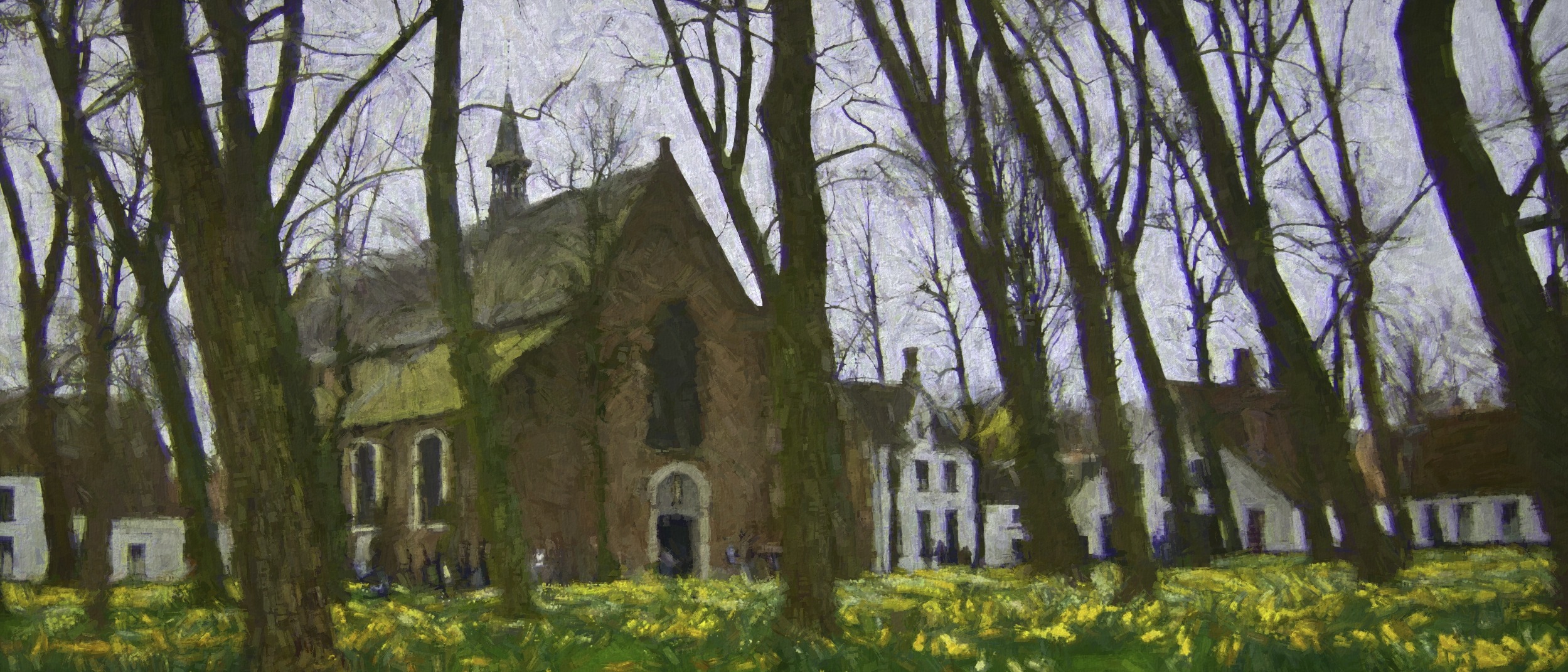
When people travel, they often have specific activities they hope to experience. For some people it’s experiencing the food and drink of a culture. For others it’s exploring the natural world through hikes and outdoor activities. Some people look for the historical side of a location perhaps through museums. For those in the latter group, one activity that is quite common, especially in Europe, is visiting churches.
Churches have interest for a number of reasons. Tourists interested in history often discover that churches have a significant place in the history of a community. They can have elements of historical interest such as graveyards on their grounds. European churches often have great art work. Religious paintings and statues along with stained glass windows can give the art lover a lot to check out. Architecture lovers also have interest in churches. European churches reflect the great architectural trends over the ages as they were often the prominent building in a community.
As a photographer, churches are also of great interest, particularly for the latter reason. Cathedrals often have beautiful facades, tall steeples and huge front doors that make them great subjects to photograph. In my travels I have photographed a number of churches in different parts of Europe, The interior of a church can sometimes be visually overwhelming so here are some thoughts on what to look for when touring a church.
For many years the church was the centerpiece of society in Europe. Because of that churches placed a deal of emphasis on the construction of church buildings in Europe. Many of the famous cathedrals and churches took years to complete or have had various additions and changes over the years. There are still many famous churches in Europe I have yet to see. However even the casual tourist would recognize the name of such churches as Notre Dame in Paris or Sagrada Familia in Barcelona. Westminster Abbey in London has been seen on television as the place where significant royal events take place. These include the funeral of Queen Elizabeth and later the coronation of King Charles.


I should note that not all churches are cathedrals. Some are basilicas while others may be an abbey. Many are also simple a church. These terms do mean something. A cathedral is the church or seat of a bishop. Bishops are usually the top church leader in the area so the cathedral is his place of service. The cathedral is then the main church in the area. A basilica is a church that has specific spiritual relevance and has been designated a basilica by a pope. It might be the burial location of an important figure in the church or the location of a significant historical event. Yes, a church can be both a cathedral and a basilica. Finally an abbey is connected to a monastery and is under the control of its abbot or abbess.
As a Christian it is sad for me to see that in many European locations the churches and cathedrals have become more tourist spots than places of worship. Visitors will tour the churches looking at the church’s structure and art work throughout the week. For many churches the tourists have become an important source of income. While many churches don’t actually charge admission, they may have a box at the entrance for a donation. Others do charge an admission. These funds help to maintain and restore some of these churches which can be centuries old. The admission prices are generally low. I think the most I have paid is ten Euros.
One question that often comes up is whether one can take photos inside the church. That, of course, depends on the church. Certainly it would not be appropriate to take photos during a service. In my experience most churches do allow for photos, but it’s good to check. Flash photography is often not permitted. In a church in Melbourne, Australia they didn’t have an admission price to see the church but charged $5 if you wanted to take photos. I would normally not pay to see a church if I knew I could not take photos inside the church, but that’s my perspective.
When visitors pay an admission, they often don’t come through the main door of the church. The main doors are often large with elaborate carvings around them so don’t forget to check them out if you enter by another way.


Since many churches have tall towers, churches may charge admission just to go up into the tower. From there one can see great views of the city. This can be a great way to get the lay of the land in a city before setting off for further exploration.


When you visit a church, please remember that it is still a religious location. While you might be there to just look around, others may have come to pray or meditate so be respectful and make sure you are not speaking loudly. It is considered respectful for men to take their hats off inside a church, and everyone should dress modestly. Beach attire, for example, would not be appropriate inside a church.
Some of the features one might check out inside a church include its stained glass windows. While we often consider these simply objects of beauty, they were more than that to earlier church attenders. Since many of the poor could not read, the windows were opportunities to share picture to remind people of the main characters of the Bible. Of course Jesus and Mary are very common figures as are Moses, Abraham, and David. One can often find the apostles as well. Probably the most famous windows are in St. Chappel in Paris. The detailed windows there tell many stories so the location provides guide sheets so people can identify the people and events in the various windows.


Don’t overlook the ceilings in churches. They can contain color and design in unexpected ways. Domes are common and can be quite beautiful. One might also see a crucifix of Jesus hanging from the ceiling toward the front of a church.


One common aspect of many Catholic churches is they are laid out in the shape of a cross. The long part of the cross is the area for the congregation. Just before the front of the church the building will widen on both side forming the crossbars of the cross. Catholic churches often have a lot of symbolism built into the church, and it’s always interesting when one can discover those elements.
Of most interest is usually the front of the church. Here one might find a number of elaborate details. The altar is the most significant location. In the Old Testament the priests made sacrifices to God on the altar.. Since Jesus made the ultimate sacrifice for mankind and died on the cross, the altar now holds the symbols of his death, the bread and wine of the Eucharist. There will probably be other elements such as candles, paintings representing Christ or Mary, etc. depending on the culture of the church.
The area where the altar sits is called the chancel. Churches usually don’t allow visitors into this part of the church so be respectful of that. In some churches visitors may be able to get a closer look at some of the features, one of which are the rows of seats on the sides of the chancel. There are two possibilities for these seats. One is that they are for the members of the choir. The other possibility is that if the church is connected to a monastery, the seats may be for the monks or nuns.


Around the sides of the sanctuary, particularly in larger churches, are often chapels. These may or may not be separate rooms. Sometimes they are just paintings of Biblical characters or saints with a place to light candles as prayers. Other times they are alcoves or rooms. Other chapels may indicate the burial location of individuals associated with the church such as long serving bishops. As a visitor the meaning or significance of a chapel area may not be apparent.


One of the more elaborate elements in some of the older churches is the pulpit. In protestant churches the pastor usually preaches from the front of the church. Older Catholic churches have the pulpit on the side the sanctuary. There are usually steps up so the priest is preaching down at the congregation. I don’t know if these pulpits are still used today in these churches, but their art work can be quite interesting and ornate.


Often at the opposite end of a cathedral from the chancel, one will see the pipes of the organ. The pipes are usually arranged symmetrically and add a beauty of their own. Be sure to look around to find them.


In medieval times, particularly, architects designed cathedrals to reflect the majesty and glory of God. Considering the poverty that many people faced, it can seem an excess to have built these large and detailed structure. Churches today see their buildings as more utilitarian. It’s an interesting balance to maintain. Can a church reflect the glory of God without being overly expensive to construct so that the congregation can focus on their true mission to the community? Think about that the next time you have an opportunity to visit one of the many church buildings dedicated to the glory of God.
What are your thoughts on European churches? Do you have a favorite church you have visited? What do you find most interesting about the churches. Your thoughts and comments are always welcome in the comment box below.
Discover more from Battered Suitcase
Subscribe to get the latest posts sent to your email.